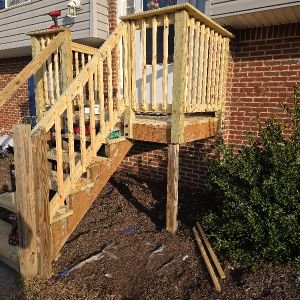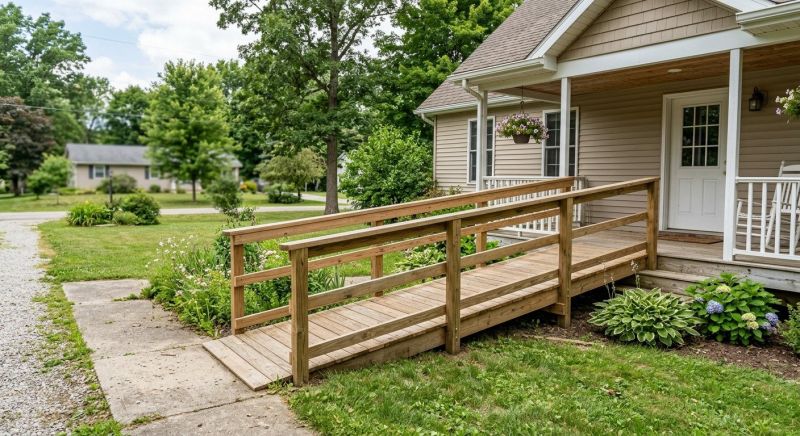
Wheelchair Ramp Replacement in Wilmington, NC
Wheelchair ramp replacement services involve removing existing ramps and installing new, functional structures to improve accessibility around residential properties. These projects typically include replacing worn or outdated ramps, upgrading to safer and more durable materials, or customizing ramps to better fit the property's layout and the user's needs. Homeowners often seek these services to ensure safe entry and exit points, accommodate mobility devices, and comply with accessibility standards. Before requesting replacement services, property owners should consider the existing ramp’s condition, the type of materials preferred, and any specific accessibility requirements or design preferences.
Understanding the scope of the project is essential for homeowners planning a wheelchair ramp replacement. It’s helpful to evaluate the current ramp’s size, slope, and stability, along with any structural modifications needed for a proper fit. Property owners should also consider the location of the ramp, surrounding terrain, and potential integration with existing walkways or entryways. Clarifying these details can assist in selecting the most suitable replacement option, ensuring the new ramp provides safe, reliable access while meeting individual mobility needs.
Many property owners in Wilmington, NC look into Wheelchair Ramp Replacement for repairs, replacements, upgrades, and appearance-related improvements.
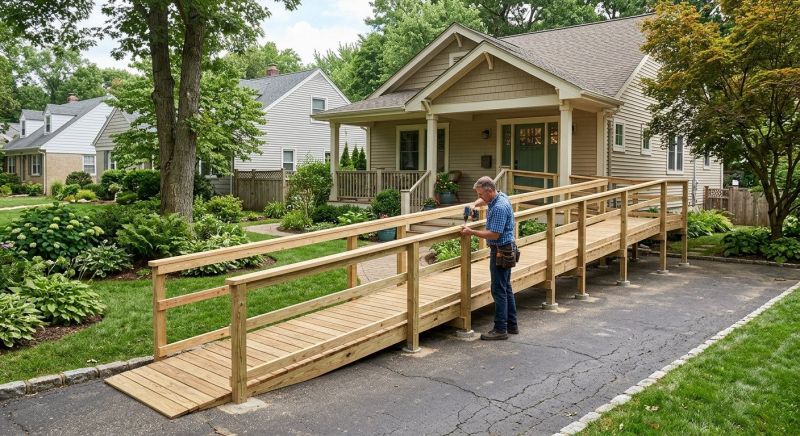
Ensuring Safe Access
Replacing worn or damaged wheelchair ramps helps improve safety and accessibility for residents and visitors.
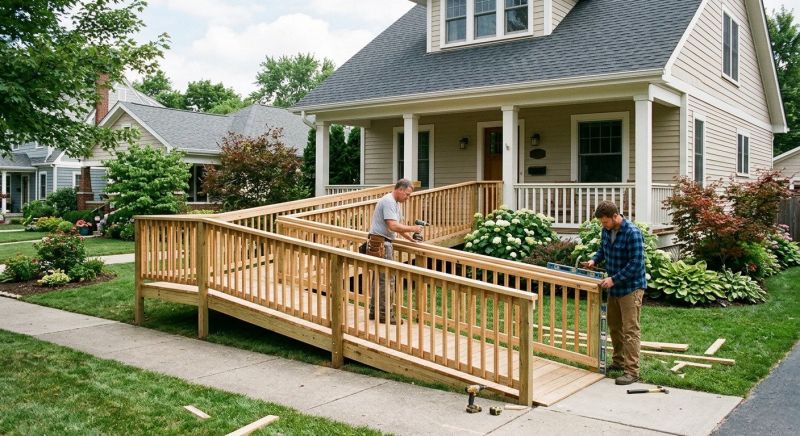
Customizable Solutions
New ramp installations can be tailored to fit the specific layout and needs of wilmington homes and businesses.
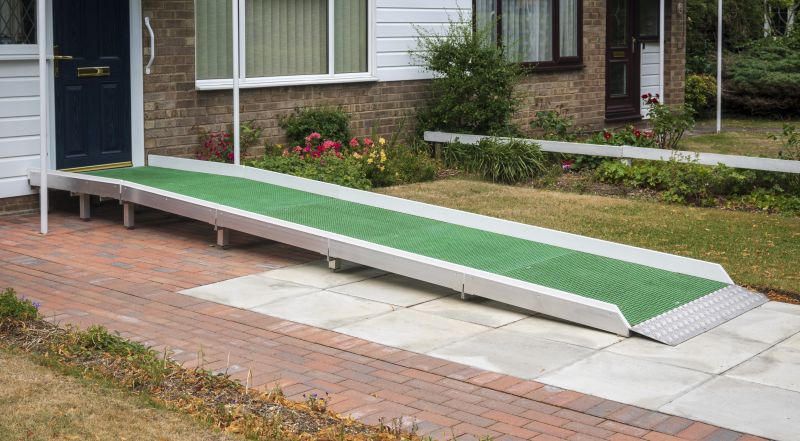
Enhancing Property Value
Upgrading wheelchair ramps can increase the functionality and appeal of a property for future needs or resale.
Wheelchair Ramp Replacement in Wilmington, NC
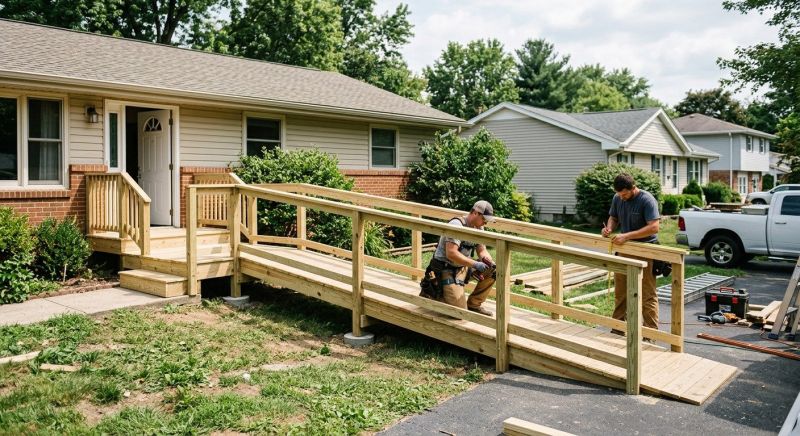
Wheelchair ramp replacement services involve removing existing ramps and installing new, functional structures to improve accessibility around residential properties. These projects typically include replacing worn or outdated ramps, upgrading to safer and more durable materials, or customizing ramps to better fit the property's layout and the user's needs. Homeowners often seek these services to ensure safe entry and exit points, accommodate mobility devices, and comply with accessibility standards. Before requesting replacement services, property owners should consider the existing ramp’s condition, the type of materials preferred, and any specific accessibility requirements or design preferences.
Understanding the scope of the project is essential for homeowners planning a wheelchair ramp replacement. It’s helpful to evaluate the current ramp’s size, slope, and stability, along with any structural modifications needed for a proper fit. Property owners should also consider the location of the ramp, surrounding terrain, and potential integration with existing walkways or entryways. Clarifying these details can assist in selecting the most suitable replacement option, ensuring the new ramp provides safe, reliable access while meeting individual mobility needs.
Many property owners in Wilmington, NC look into Wheelchair Ramp Replacement for repairs, replacements, upgrades, and appearance-related improvements.
Common Wheelchair Ramp Replacement Jobs
Wheelchair Ramp Replacement services upgrade existing ramps to improve safety and accessibility.
Residential Ramp Replacement involves removing and replacing outdated or damaged wheelchair ramps at homes.
Commercial Ramp Replacement ensures accessible entryways meet current standards for businesses and public buildings.
Custom Ramp Replacement offers tailored solutions to match specific property layouts and user needs.
Damage Repair and Replacement address issues like rot, cracks, or structural wear on existing ramps.
Safety Enhancement projects focus on replacing ramps to prevent accidents and ensure reliable access.
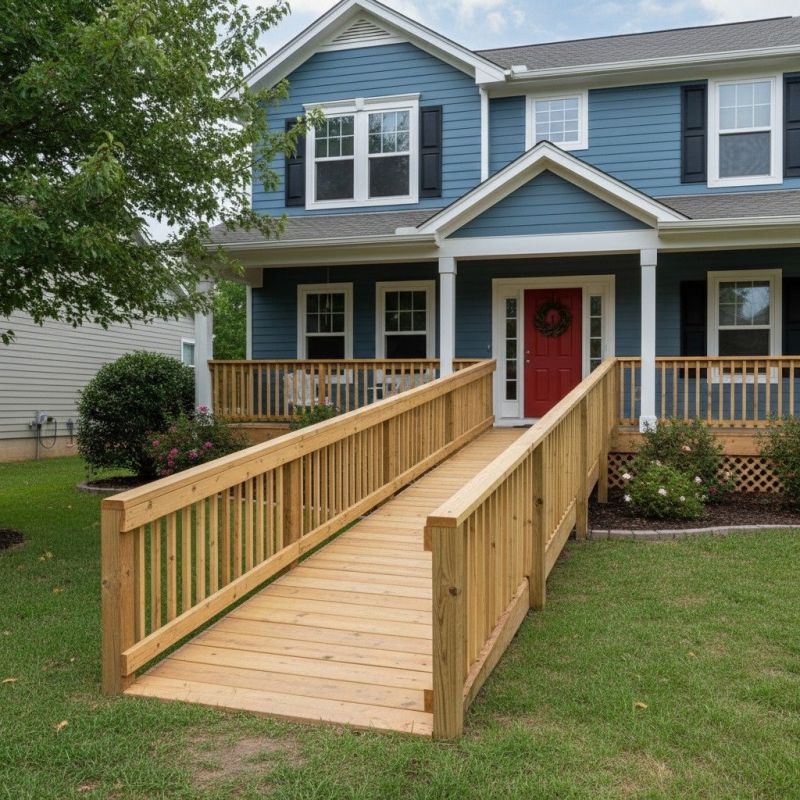
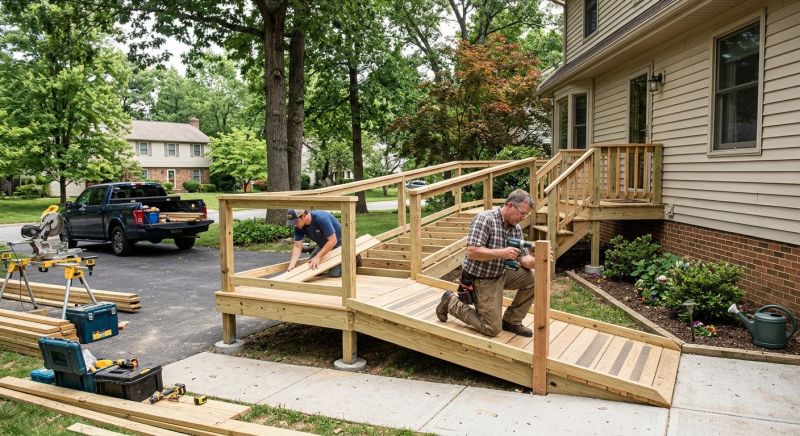
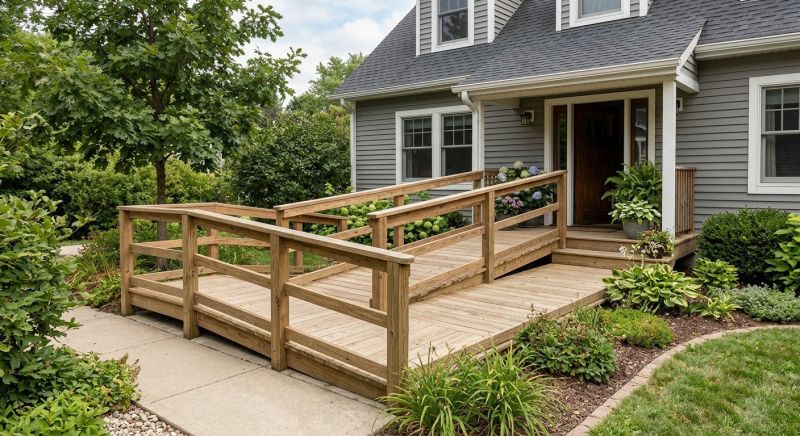
Wheelchair Ramp Replacement Questions
When should a wheelchair ramp be replaced? Replacement is recommended when the ramp shows signs of significant damage, deterioration, or no longer meets accessibility needs.
What types of ramps are commonly replaced? Common replacements include wood, aluminum, and concrete ramps that have become unsafe or outdated.
How can I tell if my ramp needs replacement? Indicators include loose or broken components, uneven surfaces, or difficulty in wheelchair access.
What are typical reasons for replacing a wheelchair ramp? Reasons include structural failure, changing accessibility requirements, or upgrading to more durable materials.
Request Wheelchair Ramp Replacement in Wilmington, NC
Use the quote form on this page to share the basics of your project and request more information for the type of work you need.